
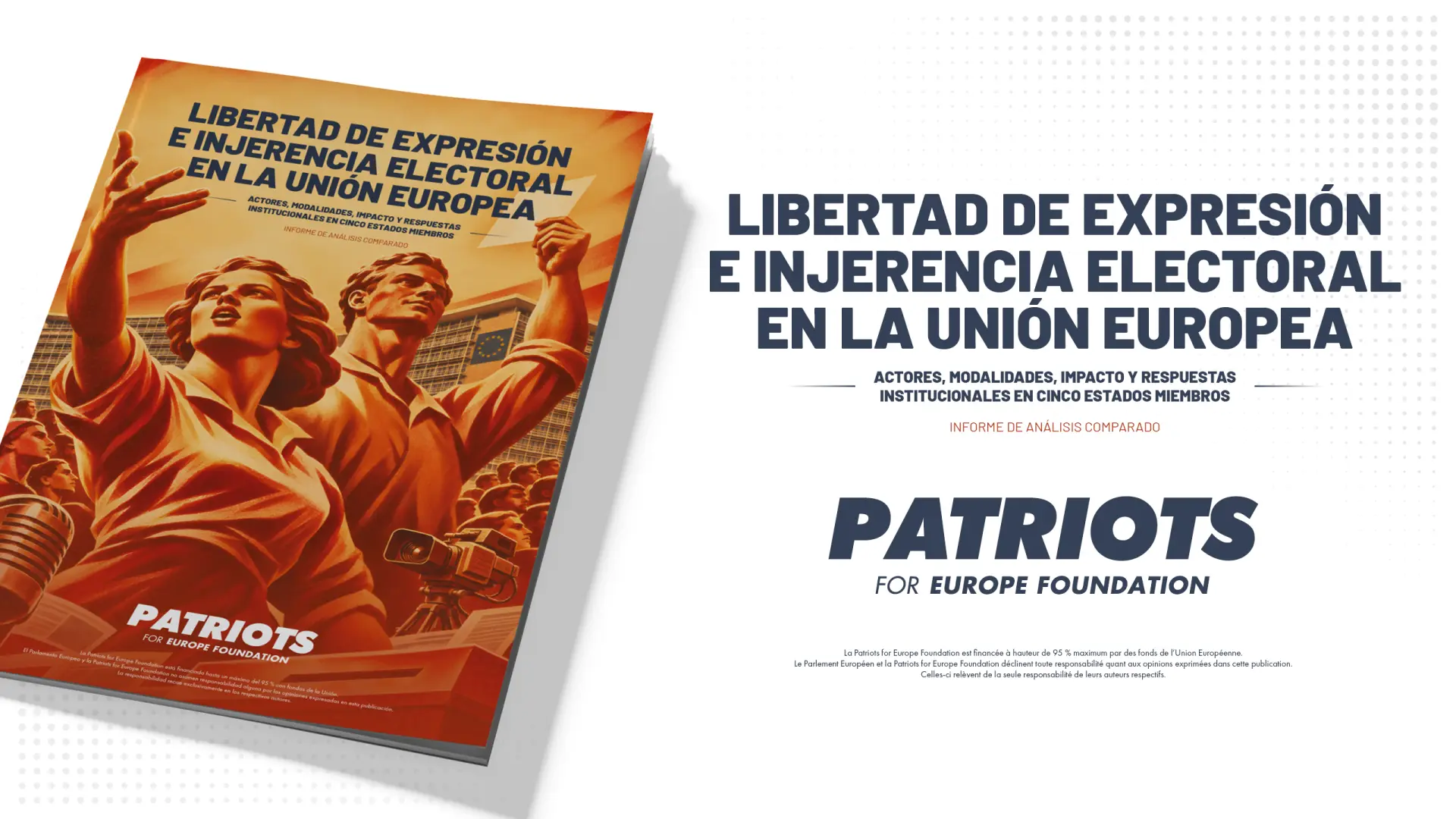
Freedom of Expression and Electoral Interference in the European Union :
Actors, Methods, Impact and Institutional Responses in Five Member States
Summary
Freedom of Expression and Electoral Interference in the European Union
This study, available in Spanish, examines the different forms of electoral interference in the European Union, their impact on democratic processes and the challenges they pose to freedom of expression.
Through a comparative analysis of five Member States – France, Germany, Poland, Romania and Spain – it explores information manipulation strategies, the role of digital platforms, political pressure on the media and the emerging risks associated with artificial intelligence.
The study also examines the legal and institutional responses developed by national and European authorities, particularly within the framework of the Digital Services Act (DSA) and the European Democracy Shield. It highlights the limitations of these mechanisms and the risks of political censorship and the misuse of measures designed to combat disinformation.
Finally, it puts forward a series of recommendations aimed at safeguarding the integrity of electoral processes, preserving political and media pluralism, and strengthening European cooperation while respecting freedom of expression, the sovereignty of Member States and their competences in electoral matters.